
Rome in Late Antiquity: Ad 313-604
von Routledge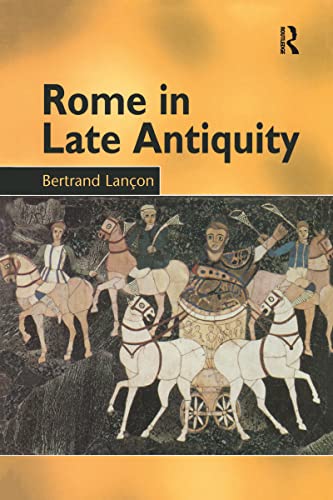
Rome in Late Antiquity (313-604 AD) was a critical period in the city's history, marked by significant political, social, and religious changes. Here are some key points about this period:
1. The Edict of Milan (313 AD): This imperial edict, issued by Roman Emperors Constantine and Licinius, granted religious tolerance to Christians and effectively ended the persecution of Christians in the Roman Empire.
2. Constantine and the Christianization of Rome: Emperor Constantine played a crucial role in promoting Christianity and transforming Rome into a Christian city. He legalized Christianity, built Christian churches, and initiated the construction of St. Peter's Basilica in Vatican City.
3. Division of the Roman Empire: In the late 4th century, the Roman Empire was divided into two halves - the Western Roman Empire with its capital in Rome, and the Eastern Roman Empire (later known as the Byzantine Empire) with its capital in Constantinople (modern-day Istanbul).
4. Barbarian Invasions: Rome faced numerous barbarian invasions during this period, including the Visigoths in 410 AD and the Vandals in 455 AD. These invasions weakened the Western Roman Empire and contributed to its eventual collapse.
5. Fall of the Western Roman Empire: In 476 AD, the last Roman Emperor Romulus Augustulus was deposed by Odoacer, a Germanic chieftain. This marked the end of the Western Roman Empire and the beginning of the Middle Ages in Europe.
6. Papacy and the Rise of the Church: During this period, the Papacy grew in influence and power. The Bishop of Rome (the Pope) became a significant figure, both politically and religiously. The Church played a crucial role in maintaining order and stability in the chaotic times of the declining Roman Empire.
7. Roman Culture and Literature: Despite the political and social upheavals, Rome continued to be a hub of culture, learning, and literature. Prominent writers and intellectuals, such as St. Augustine and Boethius, produced significant works during this time.
8. Roman Law and Administration: The Code of Justinian, a comprehensive compilation of Roman laws, was created during the reign of Emperor Justinian I (527-565 AD). This code became the basis for later legal systems in Europe.
9. Architectural and Artistic Legacy: Rome's architectural and artistic heritage continued to flourish during Late Antiquity. Notable examples include the Basilica di Santa Maria Maggiore, the Arch of Constantine, and the mosaics in churches such as Santa Maria in Trastevere.
It's worth noting that while this information provides a general overview, there are numerous additional details and nuances to explore regarding Rome in Late Antiquity.
Angebote werden geladen ...
...
* Alle Preise inkl. Mehrwertsteuer. Die Preise und Versandkosten können sich seit der letzten Aktualisierung verändert haben. Es ist technisch nicht möglich, die angegebenen Preise in Echtzeit zu aktualisieren. Es gilt der Preis zum Zeitpunkt des Kaufs auf der Website des Verkäufers. Als Teilnehmer der Partnerprogramme von Amazon und eBay verdient die metaspinner net GmbH an qualifizierten Verkäufen.